I’ve been following local fashion coverage for about eight years now, ever since I started helping small boutiques with their marketing. What surprised me most was how weekend style forecasts became this weird reliable thing.
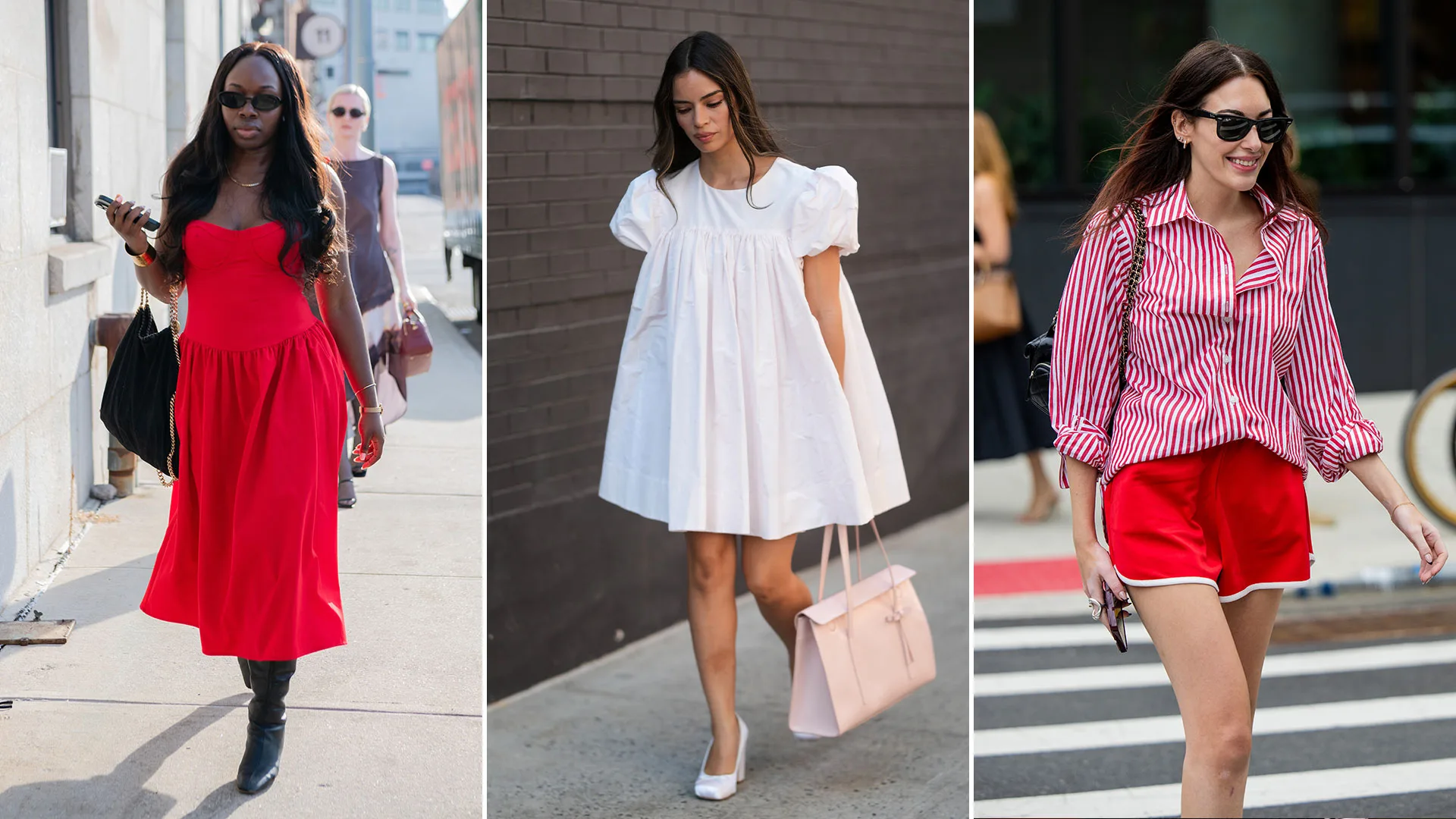
You’d think predicting what people will wear is impossible, right? But local fashion reporters started noticing patterns. Festival season means flowy boho stuff. First warm weekend brings out the sundresses. Holiday shopping weekends? Everyone’s suddenly dressing up again.
These forecasts aren’t Fortune 500 fashion analysis. They’re street-level observations from people who actually watch what shows up in downtown districts, farmers markets, and weekend brunch spots. And honestly? They’re more useful than runway reports for understanding what regular people actually wear.
How Local Reporters Track Weekend Trends
The fashion reporters I’ve worked with aren’t sitting in offices making predictions. They’re walking downtown on Saturday mornings with cameras, talking to boutique owners, and watching what sells out by Sunday afternoon.
One reporter I know in Portland hits the same three neighborhoods every weekend. She documents what people wear to coffee shops, parks, and galleries. After a few months, patterns emerge that you’d never catch from social media alone.
They track weather influence heavily. A sunny 65-degree Saturday after two weeks of rain? Everyone’s in lighter colors and cropped pants. First snow of the season? The puffer jacket explosion is real and predictable.
Local events drive weekend style hard. Art walks bring out statement pieces people wouldn’t wear to work. Farmers markets mean practical comfort. Street festivals? That’s when the 60s fashion revival stuff comes out – vintage prints, go-go boots, the whole deal.
Boutique owners feed information to reporters constantly. They’ll mention that everyone’s suddenly asking for wide-leg pants or that denim jackets are flying off racks. This real-time sales data shapes weekend forecasts more than you’d expect.
Why These Forecasts Actually Matter
I used to think fashion forecasts were purely entertainment. Then I watched a small boutique use weekend predictions to adjust their Saturday staffing and inventory placement. Sales jumped 15% just from having the right stuff front and center.
Weekend shoppers are impulse-driven. If forecasts say everyone’s wearing oversized blazers this Saturday, and you’ve got them displayed prominently when trend-conscious shoppers walk in? You’re making sales you’d otherwise miss.
Event planners use these forecasts too. A friend organizing outdoor wedding receptions checks local style predictions to advise guests on appropriate attire. Saves people from showing up overdressed or freezing because they didn’t anticipate the actual vibe.
Regular people follow them for confidence. Not everyone naturally knows what’s appropriate for a casual downtown Saturday versus a gallery opening. Local forecasts provide that guidance without the intimidation of high fashion magazines.
The Difference Between Local And National Fashion Coverage
National fashion media covers runways and celebrity style. That’s great for inspiration, but it’s disconnected from what real people in Des Moines or Charlotte actually wear on weekends.
Local fashion news focuses on accessible style – what you can buy at the mall or thrift stores, what works with your actual climate, what fits your lifestyle. Way more practical than trying to replicate runway looks.
Budget considerations are real in local coverage. National magazines assume everyone can drop $800 on a weekend outfit. Local reporters feature looks you can pull together for $100-150 because that’s what their audience actually spends.
The climate factor is huge. Fashion magazines might declare it sundress season, but if you’re in Minneapolis in April, that’s ridiculous. Local forecasts account for your specific weather patterns and seasonal realities.
How Social Media Changed Weekend Predictions
Instagram and TikTok gave local reporters new data sources. They can see what’s trending in their specific city by watching local hashtags and location tags.
The feedback loop got way faster. Reporters post weekend style predictions Friday evening, then watch what actually shows up Saturday and Sunday. They adjust their understanding in real time based on photographic evidence.
Local influencers became sources instead of just subjects. Reporters interview them about what they’re planning to wear and why. These influencers often have better feel for emerging local trends than established fashion experts.
But social media also distorted things. People started dressing for Instagram rather than comfort or weather. Local reporters learned to distinguish between what people photograph versus what they actually wear for full days outside.
Seasonal Patterns That Repeat Annually
Every market has rhythm. First warm weekend after winter brings out shorts and sandals prematurely. People are desperate for spring even when it’s only 55 degrees.
Holiday shopping weekends show increased effort. People dress up more when they’re hitting multiple stores and might run into acquaintances. Athleisure dominates regular Saturdays, but holiday weekends bring out actual outfits.
Summer festival season creates the most diverse weekend style. Music festivals, food festivals, art walks – each has distinct dress codes that local reporters learn to predict accurately.
Back-to-school weekends skew conservative as parents shop with kids. Then everything loosens up once school actually starts and parents reclaim their weekend freedom.
Wrapping This Up
Weekend style forecasts from local fashion news turned out to be way more useful than I initially gave them credit for. They’re grounded in actual observation rather than aspirational runway nonsense.
The reporters doing this work understand their specific communities. They know what sells in local stores, what works for local weather, and what makes sense for local lifestyles.
If you’re not following local fashion coverage in your area, you’re missing practical style guidance that actually applies to your life. National fashion media has its place, but local reporters tell you what’s happening on your actual streets this coming weekend.