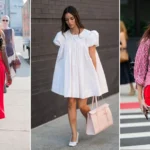
Youth fashion moves so fast it makes my head spin. I consult for a couple retailers targeting 16-25 year-olds, and what’s popular in September is dead by November. Keeping up feels impossible.
Local fashion reporters covering youth culture have the hardest job in the industry. They’re documenting trends that change faster than print cycles, spreading through TikTok and friend groups before hitting stores. By the time something’s officially a trend, kids are already moving on.
But the good reporters figured something out – they’re not trying to lead youth trends, they’re documenting what’s already happening on high school campuses and college quads. Way more valuable than trying to predict where teenage fashion goes next.
Where Youth Trends Actually Start
Forget New York and LA. Youth trends in most cities start at specific high schools or college campuses, then spread outward through social connections and local social media.
One reporter I know in Austin identified three high schools where trends consistently emerge first. She doesn’t know why those schools are influential, but tracking them gives her six-week warning before trends hit citywide.
Thrift stores are huge trend incubators. Kids can’t afford designer stuff, so they remix vintage pieces in creative ways that eventually influence mainstream fashion. Smart reporters hit thrift stores in college neighborhoods to see what’s getting bought.
Local concerts and music venues drive youth style hard. Whatever the popular local bands wear shows up on kids within weeks. Genre matters too – indie rock venues spawn different trends than hip-hop clubs.
Social media amplifies local trends insanely fast now. A popular local TikToker shows up somewhere in a specific outfit, and fifty kids recreate it by the weekend. Local reporters track these micro-influencers more than national celebrities.
The Divide Between Youth Fashion And Adult Fashion
Adults think youth fashion is ridiculous. Too much color, weird proportions, impractical choices. But that’s literally the point – kids use fashion to differentiate themselves from parents and mainstream culture.
Local reporters who actually understand youth style don’t judge it by adult standards. They document what kids are wearing and explain the cultural context that makes it meaningful to that age group.
The disconnect creates problems when mainstream retailers try to capture youth markets. They make stuff that adults think kids want instead of what kids actually want. Then they wonder why nobody’s buying.
Good local fashion coverage bridges this gap. Parents read it to understand what their kids are into. Retailers use it to stay current. Teachers reference it to update dress codes that don’t inadvertently ban entire cultural movements.
How Economic Factors Shape Youth Style
Most kids don’t have much money. Youth fashion reflects this through thrift store creativity, fast fashion mixing, and DIY customization. High-end designer youth fashion exists but represents tiny percentage of what kids actually wear.
Local reporters covering youth style focus on accessible fashion. They feature looks you can recreate for $30-50, because that’s the realistic budget for most teenagers.
The retro fashion trends come back partly because vintage is cheap. Kids can get authentic older pieces for less than new mall clothes. Then they style them in modern ways and suddenly it’s fresh again.
Economic downturns show up immediately in youth fashion. During recession periods, thrift culture explodes and DIY customization increases. Kids get creative when they can’t just buy new.
Digital Native Fashion Consumption
Today’s youth grew up with smartphones. Their fashion discovery and consumption patterns are completely different from previous generations.
They don’t read magazines or watch fashion shows. They scroll TikTok and Instagram, absorbing style ideas from peers and micro-influencers they follow. Local reporters adapted by monitoring these platforms constantly.
Outfit planning happens digitally. Kids screenshot outfits they like, save them in folders, and recreate looks by mixing items they own. Local reporters sometimes get access to these collections to understand what resonates.
Shopping is omnichannel chaos. They might see something on TikTok, check if it’s at local thrift stores, search for similar items online, then buy a dupe from fast fashion retailers. Tracking this behavior helps reporters understand how trends actually propagate.
Why Schools Still Matter For Trend Spotting
Even in the digital age, schools remain crucial youth fashion laboratories. Kids test styles with peer groups before committing fully. Acceptance or rejection happens fast and shapes what spreads wider.
Local reporters build relationships with students who report on what’s happening at their schools. These student correspondents provide ground-level intelligence that no amount of social media monitoring can replace.
Dress codes create interesting dynamics. Banned items often become more popular outside school. Reporters track what schools prohibit as indicator of what’s actually trending versus what adults wish kids would wear.
College campuses show evolution of high school trends. Styles that started with 16-year-olds mature and sophisticate when those same kids hit 20. Following this progression helps reporters predict broader trend directions.
Wrapping This Up
Local fashion reporters covering youth culture do important work documenting style movements that mainstream media ignores. Youth fashion matters because today’s teenage trends become tomorrow’s mainstream fashion.
The best local coverage focuses on accessibility and authenticity. They’re not trying to sell expensive clothes or push agenda – they’re documenting real style choices happening in their communities.
Understanding youth fashion helps parents, educators, and retailers stay connected to young people’s cultural expression. Fashion is language, and local reporters are translating what kids are saying through their clothing choices.