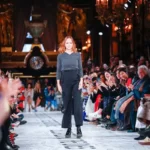
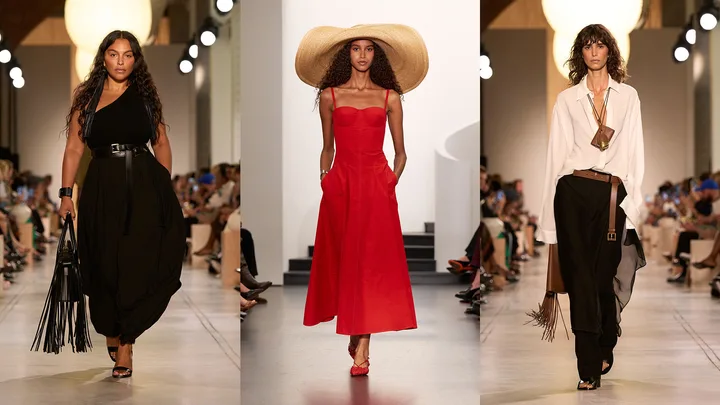
Runway shows used to be exclusive events for industry insiders. Regular people saw collections months later through magazine editorials, if at all. The gap between runway and retail felt enormous.
Now I watch runway shows live on Instagram from my couch. Local fashion coverage analyzes collections immediately, explaining how trends will trickle down to accessible brands. The democratization happened fast and completely changed how fashion operates.
Local news covering fashion isn’t just summarizing what happened in Paris or Milan anymore. They’re translating runway concepts into practical guidance for everyday shoppers in their specific markets. The context matters more than the collections themselves.
This shift made high fashion relevant to people who’ll never spend $3,000 on a jacket. Understanding trends helps you shop smarter at every price point.
Spring/Summer Collections Emphasizing Color
This season’s runways exploded with color after years of neutral minimalism. Designers showed saturated brights, unexpected color combinations, and bold prints that signal optimism and energy.
Local coverage immediately connected this to seasonal shopping. What does the runway color emphasis mean for Target and Zara shoppers? Which shades work for different skin tones? How do you incorporate brights if your wardrobe is entirely black and beige?
The practical translation matters more than runway fantasy. Seeing a model in head-to-toe neon doesn’t help regular shoppers. But understanding that jewel tones are trending helps guide purchases that’ll feel current for the next year.
Color psychology and seasonal analysis got renewed attention. People want to understand which colors suit them personally, not just what’s trendy. Local stylists and influencers provide this guidance within runway trend context.
Affordable brands adapted runway colors quickly. Within weeks of shows, local stores stocked their version of trending shades. The speed compressed what used to take six months into less than four weeks.
Oversized Tailoring Continues Dominating
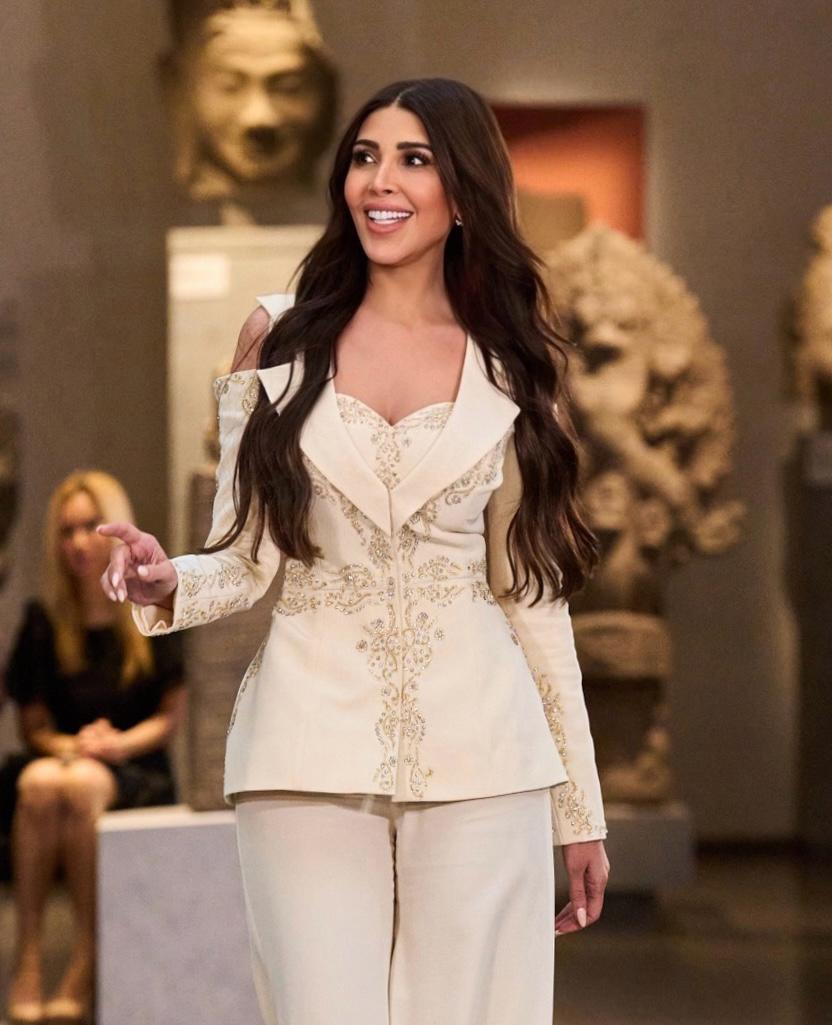
Structured but oversized blazers, wide-leg trousers, and relaxed suiting showed up across multiple major collections. This trend has legs because it’s actually wearable for real life.
The silhouette works for various body types and comfort levels. Oversized tailoring is forgiving, professional-looking, and easier to fit than precise tailoring. Local retailers embraced it because customers actually buy and wear these pieces.
Styling makes the difference between sloppy and intentional. Oversized blazer with fitted pants balances proportions. Everything oversized simultaneously looks like you borrowed your dad’s clothes.
Return-to-office timing boosted this trend. People rebuilding work wardrobes want comfort after years in athleisure but still need professional appearance. Relaxed tailoring bridges that gap perfectly.
Local alterations businesses benefit from this trend. Taking in waists or shortening sleeves on oversized pieces helps them fit better while maintaining the intentional looseness elsewhere.
Sustainable Materials Getting Mainstream
Runway collections increasingly highlight sustainable fabrics and production methods. Designers using recycled materials, organic cotton, or innovative plant-based fabrics make headlines and influence broader industry.
Local fashion coverage focuses on accessibility. Runway sustainability sounds great, but what does it mean for shoppers at normal price points? Which mall brands actually deliver on sustainability claims versus greenwashing?
Consumer education became crucial. People want sustainable options but don’t know how to evaluate competing claims. Local journalists and stylists help translate marketing speak into meaningful information.
The price premium for sustainable fashion remains barrier. Runway collections can charge whatever they want, but everyday shoppers have budgets. Local coverage addresses this reality and guides people toward best sustainable options at various price points.
Secondhand shopping gets positioned as ultimate sustainability. Local thrift scene coverage, consignment shops, and clothing swaps provide accessible sustainable alternatives to buying new, even from “eco-friendly” brands.
Gender-Neutral Design Expanding
Runway shows increasingly blur or eliminate gender divisions in collections. Fluid silhouettes, shared pieces, and rejection of traditional menswear versus womenswear categories reflect cultural shifts.
Local markets vary wildly in receptiveness to this trend. Progressive cities embraced gender-neutral fashion quickly. Conservative areas lag or resist entirely. Local coverage accounts for these regional differences.
Practical implementation matters. Most stores still organize by traditional gender categories. Finding gender-neutral pieces requires knowledge of where to look and how different brands approach sizing.
The trend influences mainstream fashion even for people not specifically seeking gender-neutral clothing. Borrowing from menswear, oversized fits, and androgynous styling became normal across all fashion regardless of gender identity.
Local boutiques carrying explicitly gender-neutral brands create spaces for customers seeking these options. The market exists, and coverage helps connect interested shoppers with appropriate retailers.
Nostalgia Cycles Accelerating
Runway collections pull from every decade simultaneously. The 60s fashion revival continues strong while 90s minimalism and Y2K aesthetics also compete for attention. Designers mix eras freely rather than committing to single decade references.
This creates chaos for trend prediction. When everything is simultaneously trendy, nothing is. Local coverage helps people navigate by identifying which nostalgic elements suit their personal style and lifestyle.
The shortened nostalgia cycle is wild – the 90s came back before people who lived through them even felt nostalgic yet. Now early 2000s fashion is “vintage.” Time perception in fashion accelerated beyond reason.
Mixing eras became acceptable and expected. An outfit combining 70s flares, 90s minimalist top, and contemporary accessories reads as curated rather than confused. Local stylists teach these mixing skills.
Wrapping This Up
Runway collections matter more and less than before simultaneously. More accessible through immediate digital coverage, less relevant as exclusive arbiters of what’s fashionable.
Local fashion coverage provides essential context that raw runway access can’t. Translating high fashion concepts into practical guidance for everyday shoppers at various price points creates actual value.
Understanding trends helps you shop smarter regardless of budget. Knowing what’s current lets you identify good pieces at any price point and style them in ways that feel modern.
The gap between runway and retail compressed to almost nothing. Trends appear in accessible stores weeks after shows, making high fashion influence available broadly and immediately.
Support local fashion coverage that provides thoughtful analysis rather than just regurgitating press releases. Good coverage educates and empowers shoppers rather than just selling products.