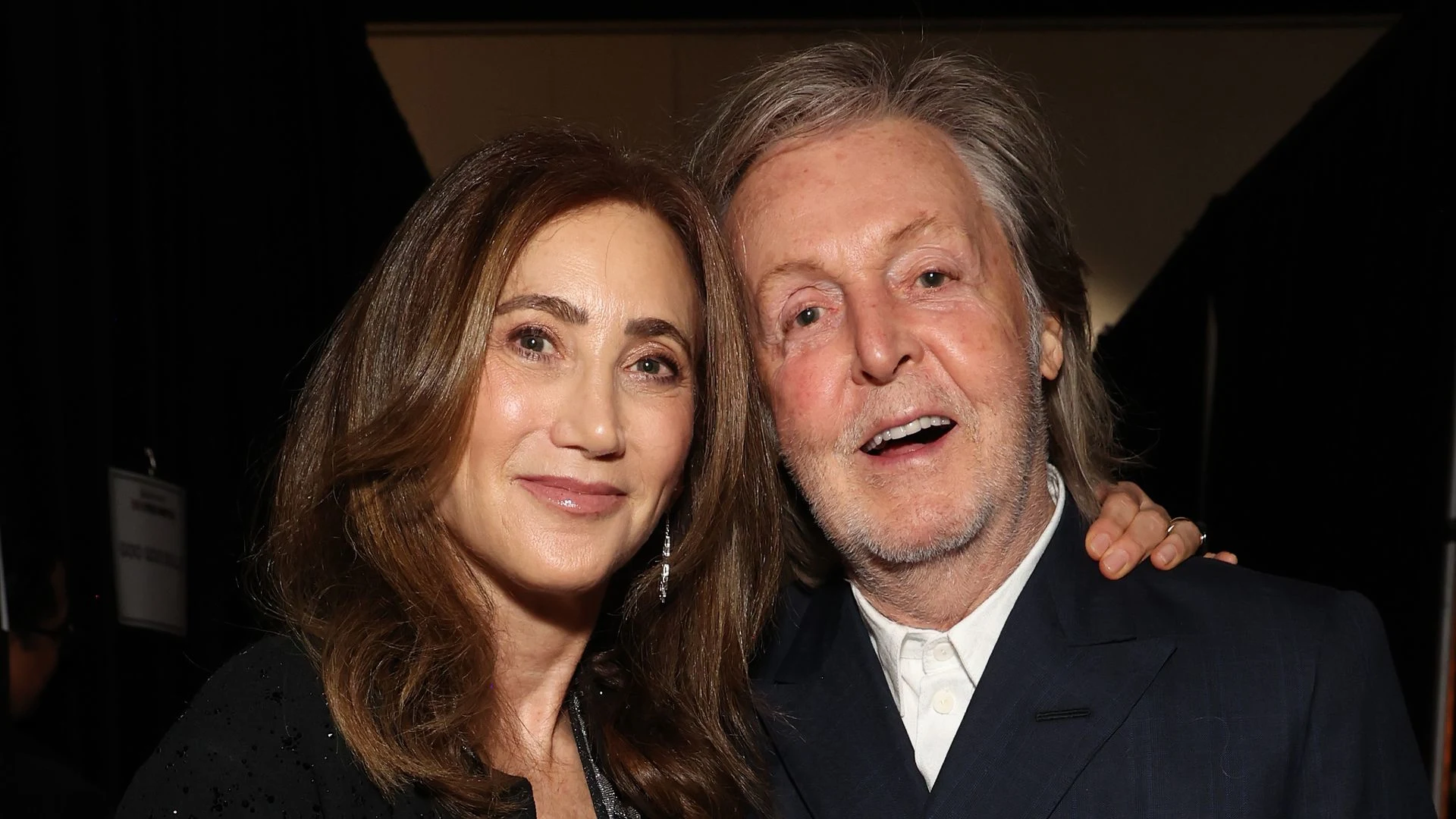
When public figures maintain decades-long partnerships in an industry known for volatility, the mechanics behind that stability become newsworthy. Paul McCartney wife news centers on a 14-year marriage to Nancy Shevell that operates largely outside media cycles, raising questions about how high-profile couples manage visibility, expectation, and the pressure to perform relationship narratives for external consumption.
The former Beatle’s third marriage has unfolded with minimal tabloid drama, a stark contrast to previous relationships that drew intense scrutiny. This shift reflects deliberate strategy rather than luck, and understanding the framework offers insight into reputation management when personal life becomes a perpetual asset under evaluation.
The Signals Behind Low-Profile Partnership Strategy And Media Absence
McCartney and Shevell have maintained consistent absence from the celebrity-couple circuit since their courthouse wedding. Reports confirm they attend select high-profile events together, including concerts and anniversary celebrations, but avoid the publicity cycle that typically accompanies rock-star marriages.
This calculated restraint creates a vacuum where speculation struggles to gain traction. Without regular content feeding the news cycle, stories default to milestone coverage rather than ongoing narrative development. The couple’s public appearances function as controlled data points rather than serialized content.
Their choice to skip red carpets and interview circuits signals a preference for privacy over brand-building through relationship visibility. McCartney has stated they operate “like any other normal couple,” focusing on cooking, television, and reading, which deliberately undermines the extraordinary-life narrative that typically surrounds celebrity partnerships.
Timing, Transition, And Why Third Marriages Shift Public Narrative
McCartney’s marriage to Shevell followed a high-conflict divorce from Heather Mills that ended with significant financial settlement and sustained media attention. The contrast between that public dissolution and the subsequent stability with Shevell has shaped how audiences interpret his current relationship.
Third marriages carry different expectation loads than first or second attempts. There’s an implicit narrative that lessons have been learned and patterns corrected, which creates built-in audience goodwill if the relationship appears stable. McCartney benefits from this framing without needing to actively promote the marriage.
The timeline matters here: meeting Shevell while still processing the Mills divorce, then moving to engagement and marriage within a measured window, suggested intentionality rather than reactive decision-making. That pacing allowed the relationship to establish credibility before facing sustained public scrutiny.
Reputation Risk Management Through Selective Disclosure And Boundary Control
What I’ve learned from observing high-profile partnerships is that the most sustainable ones treat media access as a finite resource with strategic value. McCartney and Shevell disclose anniversary posts and occasional interview responses, but never open the relationship to ongoing documentation.
This approach prevents the accumulation of contradictory statements or evolving narratives that create vulnerability to tabloid reinterpretation. Each disclosure is self-contained and difficult to weaponize in future coverage. The couple controls not just what information releases, but when and in what context.
Their strategy also leverages McCartney’s existing public equity built over decades. His audience doesn’t require constant relationship updates to maintain interest in his work, which means the marriage can exist as background context rather than foreground content. That separation protects both parties from the exhaustion that accompanies perpetual performance.
The Reality Of Age-Appropriate Partnerships And Audience Perception Dynamics
McCartney and Shevell’s relationship involves partners closer in age and life stage compared to many celebrity pairings, which affects how the public receives information about the marriage. Age proximity reduces the spectacle factor that drives coverage of relationships with significant age gaps.
From a practical standpoint, this changes the story’s commercial value to media outlets. There’s less inherent tension to exploit, fewer controversy angles to develop, and reduced audience appetite for ongoing coverage. The relationship becomes institutionally boring in ways that serve the couple’s privacy goals.
The data tells us that public fascination with celebrity relationships correlates strongly with perceived power imbalances, dramatic age differences, or high-conflict histories. McCartney’s current marriage lacks these elements, which naturally reduces coverage frequency without requiring active media management.
Audience Psychology And Why Some Celebrity Marriages Generate Less Speculation
Look, the bottom line is that sustained media interest requires ongoing narrative development. McCartney wife news generates periodic spikes around anniversaries or rare public appearances, but lacks the continuous story arc that sustains tabloid attention.
This pattern reflects audience behavior more than couple strategy. When a relationship provides minimal content for speculation, public interest naturally migrates to partnerships offering more dramatic material. The McCartney-Shevell marriage essentially starves the attention economy rather than feeding it.
What actually works in long-term relationship privacy is reducing the surface area available for public interpretation. By limiting statements, appearances, and social media documentation, the couple eliminates most vectors through which speculation typically enters. Each additional data point creates connection opportunities for narrative building, so restricting those points restricts story development.
The marriage functions as a case study in how deliberately unremarkable public presentation can serve as effective reputation protection, particularly for figures whose professional legacy carries more value than their personal-life content.