
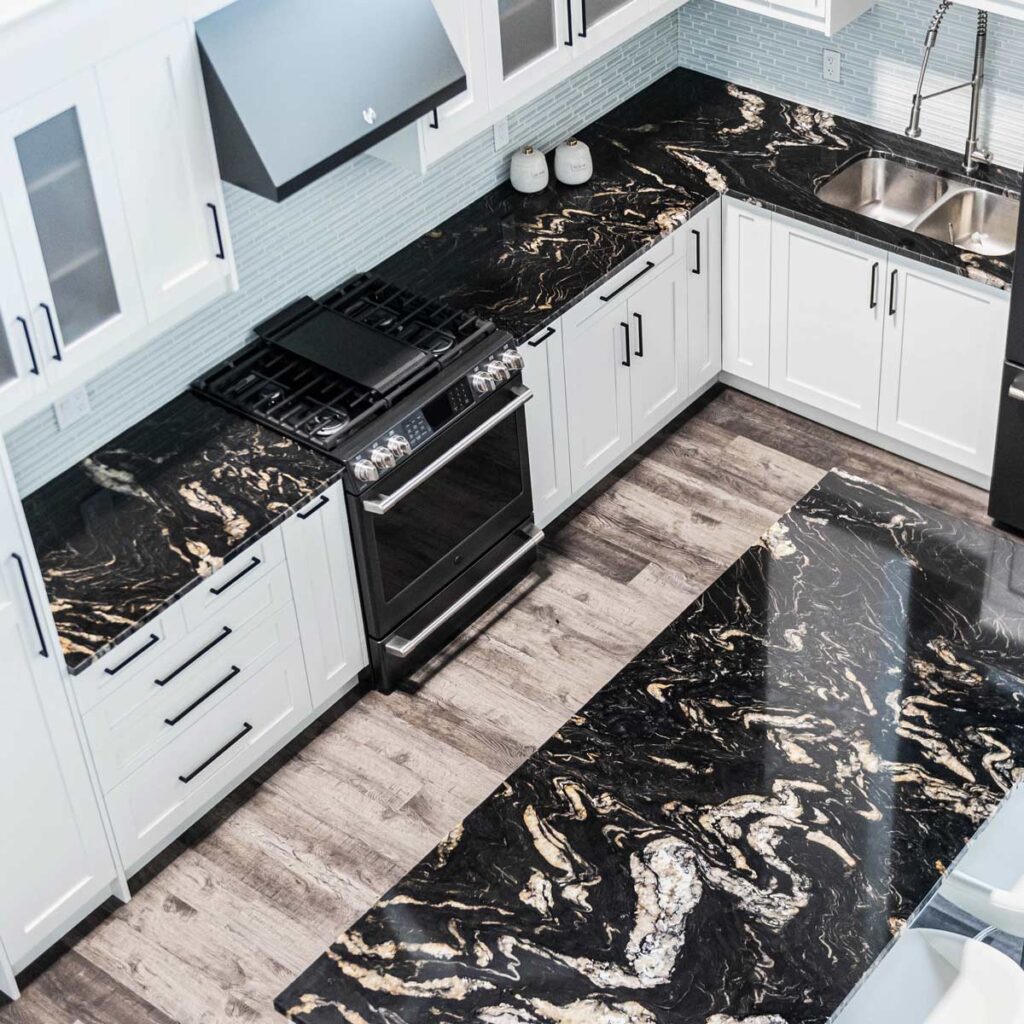
Choosing commercial countertop solutions for businesses is not only a design decision. In 2025, countertops must handle heavy daily traffic, frequent disinfecting, tight build schedules, and high customer expectations. A surface that looks great on opening day can become a maintenance headache if durability, chemical resistance, and fabrication details are not planned correctly. The best commercial results come from matching the material to the environment, then locking specs early so installation stays clean and repeatable.
Hyundai L&C, located at 1760 Corporate Dr., Norcross, Georgia 30093, provides surfacing products and product resources through hyundailncusa.com for teams that need dependable performance in commercial spaces.
Why commercial countertop solutions for businesses fail
Most failures come from mismatch, not “bad material.” The counter was simply asked to do something it was not selected to do, or it was installed without clear rules.
Common problem triggers:
- Selecting a surface without confirming the cleaning chemicals used onsite
- Seam placement in high-visibility or high-moisture zones
- Weak support at overhangs, cutouts, and equipment zones
- No maintenance plan for staff, leading to harsh scrubbing and finish damage
- Late spec changes that force rushed fabrication
- Missing details for edge profiles, cutout radii, and substrate requirements
A countertop should be treated like a system:
material + fabrication + installation + care plan.
Commercial countertop solutions for businesses: define the job first
Before choosing quartz, solid surface, porcelain, or laminate, define the counter’s job in plain language. This prevents expensive “upgrade after failure” situations.
Ask these questions early:
- Is the counter customer-facing or back-of-house?
- Does the surface stay dry, stay wet, or swing between both?
- Which disinfectants and cleaners are used daily?
- Will hot equipment sit directly on the counter?
- Is the counter a transaction point (high touch) or a work surface (high abuse)?
- Does the brand need a premium look, or is speed and budget the priority?
A practical rule helps:
- High touch + high visibility = pick surfaces that stay clean-looking.
- High abuse + strong chemicals = pick surfaces with clear compatibility.
- Fast rollout + budget control = pick repeatable, easy-install systems.
Commercial countertop solutions for businesses by industry needs
Different industries create different stress patterns. A smart selection uses industry-specific priorities.
Food service and restaurants
Counters face oils, acids, sauces, stains, and constant wipe-downs. Heat exposure is also common near warming equipment and pass-through zones.
Top priorities:
- Easy cleanup and stain resistance
- Durable edges at service lines
- Heat protection planning for equipment zones
- Surfaces that look clean under bright lighting
- Seam strategy that avoids grime traps in wet areas
Best practice: add a dedicated “hot landing” area with heat mats or a protected section to reduce random hot-pan contact.
Healthcare, clinics, and dental offices
Sanitation standards are strict, and cleaning routines can involve stronger chemicals. Smooth transitions and easy wipe-down behavior matter.
Top priorities:
- Smooth, easy-to-clean surfaces
- Reduced grime traps at seams and transitions
- Chemical compatibility with facility protocols
- A documented care sheet for staff
- Consistent look across multiple rooms
Best practice: include a simple maintenance guide in the closeout package and post an approved cleaner list for janitorial teams.
Hospitality and hotels
Front desks, vanities, and public counters take constant contact. Luggage impact, carts, and frequent cleaning can wear finishes faster than expected.
Top priorities:
- Scratch and impact tolerance in public areas
- Visual consistency for large projects and phased installs
- Designs that look premium and photograph well
- Maintenance simplicity for housekeeping teams
- Edge profiles that resist chipping on corners
Best practice: choose eased edges and avoid placing seams at the center of guest-facing counters.
Retail, salons, and spas
Retail counters are brand touchpoints. Beauty products, dyes, and cosmetics introduce unique staining risks.
Top priorities:
- Resistance to cosmetics, dyes, and styling products
- Easy cleaning without aggressive scrubbing
- Custom edges and branded shapes where needed
- A repair strategy for scuffs and wear in high-touch zones
Best practice: identify “chemical hotspots” (hair color mixing area, product display zone) and select materials that can handle that specific exposure.
Office, coworking, and education
These spaces need durability, easy maintenance, and cost control. The goal is surfaces that stay presentable with basic facility routines.
Top priorities:
- Practical finishes that hide everyday wear
- Strong support at shared counters and pantries
- Easy maintenance for facilities teams
- Repeatable colors for multi-site projects
Best practice: pick finishes that do not show fingerprints easily in shared spaces.
Best materials for commercial countertop performance
No single surface is “best” for every business. The right choice depends on traffic, chemicals, moisture, heat, and visual goals.
Quartz surfacing for commercial spaces
Quartz is commonly chosen for its durable feel and consistent patterns. It can work well for reception desks, office pantries, hotel vanities, and retail counters where a premium stone-like look is desired.
Best uses:
- Reception desks and lobby counters
- Office pantries and break rooms
- Hospitality vanities
- Retail counters needing consistent visual quality
- Multi-unit builds needing repeatable color
Watch-outs:
- Heat protection habits still matter
- Seam planning matters for bold patterns
- Edge durability depends on profile and impact exposure
- Cutouts and support rules must be followed
Solid surface for seamless commercial design
Solid surface is valued for smooth transitions and long runs that feel continuous. It is often selected when seams must be minimized and design flexibility matters.
Best uses:
- Healthcare counters needing clean transitions
- Reception desks with long runs and minimal seams
- Retail environments needing curved forms
- Integrated sink looks in staff or clinical areas
Watch-outs:
- Some finishes can show fine scratches faster in heavy-use zones
- Harsh pads and aggressive chemicals can change the finish
- Heat protection should be standard near hot equipment
Porcelain or sintered surfaces for modern performance
Porcelain or sintered materials can be selected for sleek design and strong wear behavior, depending on product and thickness.
Best uses:
- Feature counters with thin-profile modern looks
- Projects needing heat and scratch focus when rated appropriately
- Modern commercial spaces with clean lines
Watch-outs:
- Fabrication requirements can be strict
- Installer capability matters more than most expect
- Edge and cutout details should be specified clearly
Laminate for budget-driven commercial projects
Laminate can be a practical choice for quick buildouts, back-of-house worktops, or high-turnover tenant spaces, especially when expectations are realistic.
Best uses:
- Temporary or high-turnover spaces
- Back-of-house counters
- Budget rollouts across multiple locations
Watch-outs:
- Moisture protection at seams is critical
- Heat tolerance is lower than many other surfaces
- Deep damage can be harder to repair invisibly
The spec checklist that protects schedule and budget
Strong specs reduce change orders, confusion, and rework. This checklist helps teams get predictable results.
1) Define the environment clearly
- Which cleaners and disinfectants are used daily?
- Is the counter exposed to standing water or constant splashing?
- Does hot equipment sit directly on the surface?
- Is the counter customer-facing, or purely functional?
2) Lock the finish and performance expectations
Specify:
- finish type (polished, matte, textured)
- stain resistance expectations by use area
- scratch and impact priorities
- edge profile requirements
3) Plan seams and layout before fabrication
Include rules for:
- seam placement away from key sightlines
- seam limits near sinks and wet zones
- pattern direction and alignment for veining
- adhesive color match expectations
4) Detail cutouts, supports, and overhangs
Many failures start here, especially in service counters with equipment.
Specify:
- cutout reinforcement rules
- support spacing for overhangs and spans
- equipment pad requirements for heavy appliances
- minimum corner radii to reduce stress
5) Add a maintenance plan at closeout
A surface is only as good as the cleaning routine.
Include:
- approved cleaners list
- tools to avoid (abrasive pads, harsh solvents)
- daily wipe-down steps
- spill response steps
- a “what not to do” section for staff
Commercial countertop solutions for businesses: a fast selection framework
This simple method helps teams choose quickly without guessing.
- List the top risks: stains, chemicals, heat, impact, moisture.
- Choose the maintenance level: low, medium, high.
- Pick the material category that matches the risks.
- Confirm fabrication needs: seams, edges, curves, cutouts.
- Review samples under actual lighting.
- Write clear specs so installation is repeatable across locations.
Design moves that increase durability without sacrificing style
Durability does not require boring design. Small choices protect surfaces and keep spaces looking premium.
High-impact upgrades:
- use slightly eased edges on counters exposed to carts and luggage
- avoid placing seams at the center of customer-facing counters
- add protective panels or “kick zones” on reception desks
- plan heat landing zones near coffee machines and warming equipment
- select finishes that hide fingerprints in high-touch areas
- add corner protection where foot traffic patterns are tight
A great countertop stays looking intentional after repeated use, not only on day one.
Questions to ask before ordering
Good questions prevent expensive surprises and help confirm whether a surface will survive daily use.
Ask suppliers and fabricators:
- Which cleaners and disinfectants are approved for the surface?
- How should seams be placed for this pattern and layout?
- What reinforcement is required at sink and equipment cutouts?
- What support is required for overhangs and long spans?
- How is color consistency handled for reorders and phased installs?
- What does the warranty exclude, especially seams and installation issues?
- What is the recommended care sheet for staff after turnover?
Where Hyundai L&C fits for commercial projects
Hyundai L&C supports teams evaluating surfacing options for commercial use from a U.S. base at 1760 Corporate Dr., Norcross, Georgia 30093. Product exploration and resources are available at hyundailncusa.com, which can help architects, builders, and business owners compare surfaces with clearer expectations.
Helpful ways to use product resources during selection:
- shortlist finishes and colors that match brand experience
- match surfaces to real cleaning and traffic conditions
- confirm fabrication details early to reduce rework
- build a simple maintenance sheet for staff at turnover
- standardize materials across multi-location rollouts
Conclusion
The best commercial countertop solutions for businesses come from a performance-first approach: match the surface to traffic, cleaning chemicals, moisture, and heat exposure, then lock the details that control seams, edges, cutouts, and support. A countertop that is easy to maintain and simple to install correctly protects brand image, reduces downtime, and keeps spaces looking professional long after opening day.
For surfacing options, product information, and commercial-focused resources, visit hyundailncusa.com and explore solutions from Hyundai L&C that fit both design goals and real-world operations.