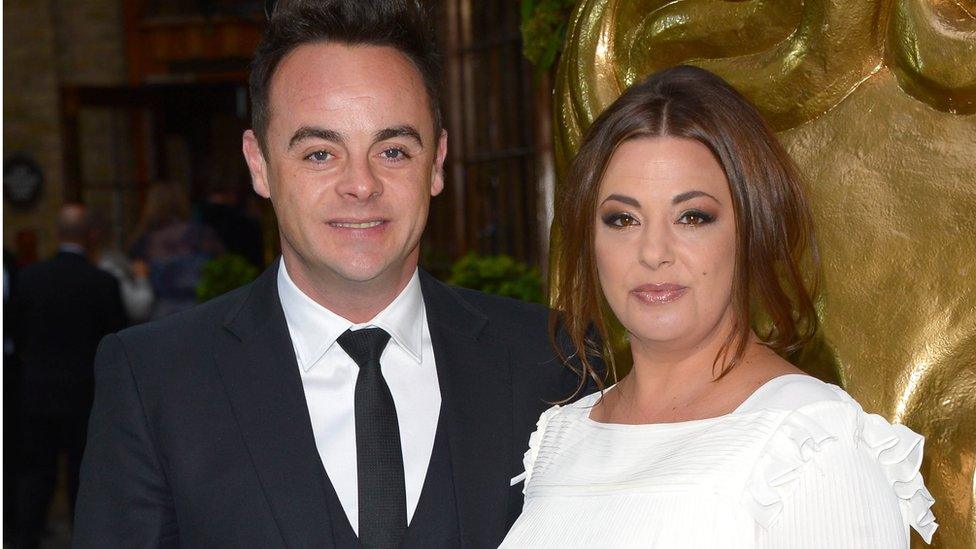
When public interest swirls around a celebrity’s personal life, the real story often sits beneath what’s visible. Ant McPartlin wife news has evolved from speculation to confirmation to the everyday reality of a blended family navigating fame’s glare. What started as professional proximity transformed into partnership, then marriage, and recently, parenthood.
The narrative here isn’t just about one relationship. It’s about how careers, custody arrangements, public perception, and private choices intersect when cameras never really stop rolling.
The Signals Behind Relationship Timing And Public Visibility
Anne-Marie Corbett entered McPartlin’s life as his personal assistant during a period when his previous marriage was unraveling. The professional boundary dissolved gradually, then all at once. What I’ve learned from watching these transitions is that timing reveals everything about intent and readiness.
They confirmed their relationship publicly only after McPartlin’s separation was formalized. That sequencing matters. It signals an awareness of narrative control and reputational risk that most people outside this industry never have to calculate.
The wedding itself came after pandemic disruption forced a venue change from abroad to the UK. Small detail, massive implication. When external pressure reshapes personal plans, you see who adapts and who fractures. They adapted.
Blended Family Strategy And What Actually Works Long-Term
Corbett brought two daughters from a previous marriage into this dynamic. McPartlin had no biological children at that stage. The arrival of their son Wilder shifted the entire family structure. From a practical standpoint, blending families requires more than affection. It demands systems.
Look, the bottom line is that step-parenting only functions when roles are clear and boundaries are respected. The public narrative around McPartlin’s transformation from partner to father has been carefully managed. That’s not accidental. It’s strategic reputation building.
The reality is that blended families either succeed through deliberate effort or collapse under the weight of competing loyalties. What the data tells us is that clear communication and equitable attention distribution are non-negotiable.
Media Cycle Awareness And Controlling Your Own Narrative
McPartlin previously described Corbett as his “rock” following his drink-driving arrest and rehabilitation stint. That framing matters. It positions her as stabilizing force rather than bystander or enabler. The difference between those characterizations is the difference between supportive coverage and skeptical scrutiny.
Celebrity narratives live or die on consistent messaging. When you control the first impression and maintain discipline around what gets shared, you limit the space for speculation. McPartlin’s team understood this instinctively.
The wedding photos, the birth announcement, the anniversary posts—all calibrated to generate goodwill without oversharing. Here’s what actually works: give the audience just enough to satisfy curiosity but never enough to fuel invasive questioning.
Privacy Strategy In High-Visibility Relationships Under Pressure
Their home life centers on a Wimbledon property with plans for pool construction and extensive renovation. That detail matters because it signals permanence. You don’t invest in long-term infrastructure if you’re uncertain about the foundation.
Yet despite that stability, their public footprint remains carefully modulated. Corbett doesn’t chase spotlight moments. She appears when strategic, vanishes when convenient. That’s not luck. It’s discipline.
From a practical standpoint, maintaining privacy while partnered with someone whose face appears on screens nationwide requires constant negotiation. What I’ve seen is that couples who succeed at this treat privacy like a business asset, not a personal preference.
Reputational Recovery And The Role Partners Play
The timeline between McPartlin’s public struggles and his stabilization isn’t coincidental. Corbett’s presence during rehabilitation wasn’t just emotional support. It was structural. Partners in high-pressure environments either absorb stress or amplify it. She absorbed.
The proof isn’t in declarations. It’s in outcomes. Career trajectory restored. Family expanded. Public perception recalibrated. Those don’t happen without someone managing the unglamorous work behind the scenes.
The reality is that recovery narratives only stick when they’re backed by visible behavioral change. McPartlin’s shift from crisis to stability wasn’t solo. Corbett provided both cover and accountability. That’s the partnership model that actually functions under scrutiny.